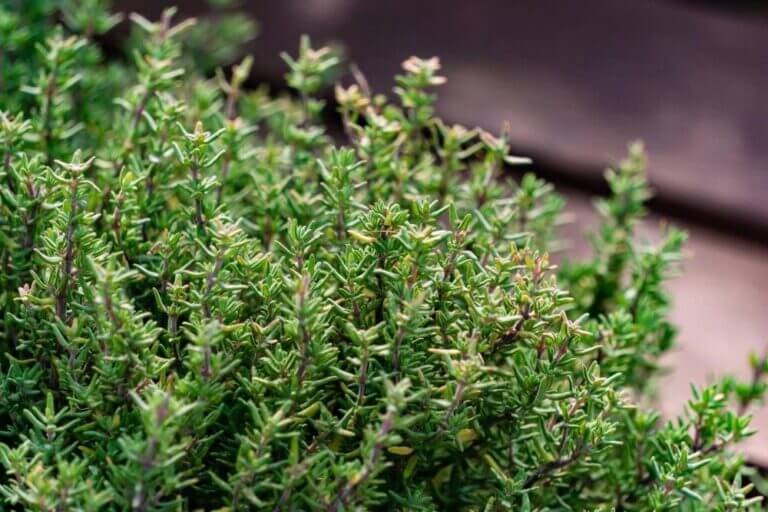
Hello dear readers! Are you ready to dive into the wonderful world of thyme? Whether you’re a seasoned gardener or a green-thumb newbie, growing thyme is a rewarding adventure that’s bound to add flavor and fragrance to your garden and kitchen alike. So, join me as we explore the insider secrets to cultivating this versatile herb with finesse!
Benefits and Typical Uses: Beyond the Kitchen
Let’s talk about the perks of having your own thyme patch. Sure, thyme adds a burst of flavor to soups, stews, and roasted meats, but its benefits extend far beyond the kitchen. Thyme is rich in antioxidants and antimicrobial properties, making it a potent herb for supporting immune health and combating inflammation. Plus, its fragrant leaves make it a delightful addition to potpourri and herbal sachets, adding a touch of natural beauty to your home.
Different Varieties: Exploring the Thyme Spectrum
Did you know that there’s more to thyme than just your typical garden variety? From the classic English thyme to the lemon-scented varieties like lemon thyme or orange thyme, the world of thyme offers a spectrum of flavors and fragrances to suit every palate. Whether you prefer the traditional savory notes or crave a citrusy twist, there’s a thyme variety out there waiting to tickle your taste buds and tantalize your senses.
Annual or Perennial: The Timeless Appeal of Perennial Thyme
One of the many charms of thyme is its status as a perennial herb. Unlike annuals that require replanting each year, perennial thyme keeps on giving season after season, making it a reliable and low-maintenance addition to your garden. Once established, your thyme plants will return year after year, rewarding you with a bounty of fragrant foliage to harvest at your leisure.
Preferred Planting Season: Timing Is Everything
When it comes to planting thyme, timing is everything. While it’s technically possible to plant thyme year-round in mild climates, the best time to get your hands dirty is in the spring, after the threat of frost has passed. This gives your plants a head start to establish their roots before the heat of summer sets in. In colder regions, you might even opt to start seeds indoors or purchase seedlings from a nursery to get a jump on the growing season.
Full Sun or Shade Tolerant: Let There Be Light!
Thyme is a sun-loving herb through and through. This Mediterranean native thrives in full sun, soaking up at least six to eight hours of sunlight daily to reach its full potential. While it can tolerate partial shade, especially in hot climates where some respite from the sun is appreciated, too much shade can lead to leggy growth and diminished flavor. So, if you want your thyme to flourish, give it all the sunshine it desires!
Tips for Winter Care: Cozying Up Your Thyme for the Cold
As temperatures drop and winter approaches, it’s essential to show your thyme some extra TLC to ensure its survival through the chilly months ahead. While thyme is relatively cold hardy, prolonged exposure to freezing temperatures can spell trouble for your plants. To protect your thyme from frost damage, consider mulching around the base of the plant to insulate the roots and provide a cozy blanket against the cold. In colder regions, you might even opt to bring potted thyme indoors or cover outdoor plants with frost cloth during particularly harsh weather spells.
Grow from Seeds vs. Seedling: The Great Debate
When it comes to growing thyme, you have two primary options: starting from seeds or purchasing seedlings from a nursery. While growing from seeds offers the satisfaction of watching your plants grow from scratch, it requires patience and a bit of trial and error. On the other hand, opting for seedlings provides a head start, allowing you to skip the germination process and jump straight into nurturing your young plants. Whichever route you choose, make sure to provide your thyme with well-draining soil, ample sunlight, and regular water to set them up for success.
Growing from Cuttings: A Thrifty Approach
If you’re feeling particularly adventurous (or frugal), why not try your hand at propagating thyme from cuttings? This method not only saves you money on buying new plants but also allows you to replicate your favorite thyme varieties with ease. To propagate thyme from cuttings, simply snip a 4-6 inch stem from a healthy, established plant, remove the lower leaves, and place the cutting in a pot filled with well-draining soil. Keep the soil consistently moist and provide indirect sunlight until roots form, then transplant your new thyme plants into their permanent homes.
Grow Indoors or Outdoors: Where Will Your Thyme Thrive Best?
Deciding whether to grow your thyme indoors or outdoors depends on various factors, including available space, climate, and personal preference. Indoor cultivation allows for year-round access to fresh herbs, making it ideal for those with limited outdoor space or harsh winters. Choose a sunny windowsill or invest in grow lights to provide your indoor thyme with the sunlight it needs to thrive. On the other hand, outdoor cultivation offers the benefit of natural sunlight and ample space for your thyme to spread its roots. Whether you opt for indoor or outdoor growing, ensure your thyme receives at least six to eight hours of sunlight daily for optimal growth.
Best Soil for Growing: Lay the Groundwork for Thyme Success
When it comes to soil for growing thyme, well-draining soil is key. Thyme thrives in soil that allows excess water to drain away quickly, preventing root rot and other moisture-related issues. Opt for a sandy loam or a mixture of potting soil and sand to provide your thyme with the perfect growing medium. Additionally, adding a bit of compost or organic matter can help improve soil structure and fertility, ensuring your thyme plants have access to essential nutrients for healthy growth.
Instructions for Growing in a Pot: Potting Up Your Thyme with Care
Growing thyme in pots is a convenient option for gardeners with limited space or poor soil conditions. Choose a container with adequate drainage holes to prevent waterlogging and fill it with well-draining potting mix. Plant your thyme, ensuring the root ball is level with the soil surface, and water thoroughly. Place your pot in a sunny spot, water regularly, and watch your thyme thrive in its cozy container home. Remember to repot your thyme every couple of years to refresh the soil and prevent overcrowding.
Hydroponic Cultivation: Dive into the Future of Thyme Growing
For the adventurous gardener, hydroponic cultivation offers a soil-free solution to growing thyme with ease. In a hydroponic system, plants receive essential nutrients directly through water, eliminating the need for soil altogether. Invest in a hydroponic setup or DIY your own system using a nutrient-rich water solution and a growing medium like perlite or vermiculite. With proper care and attention, you can watch your thyme thrive in this innovative and efficient growing method.
Watering Instructions: Quench Your Thyme’s Thirst with Precision
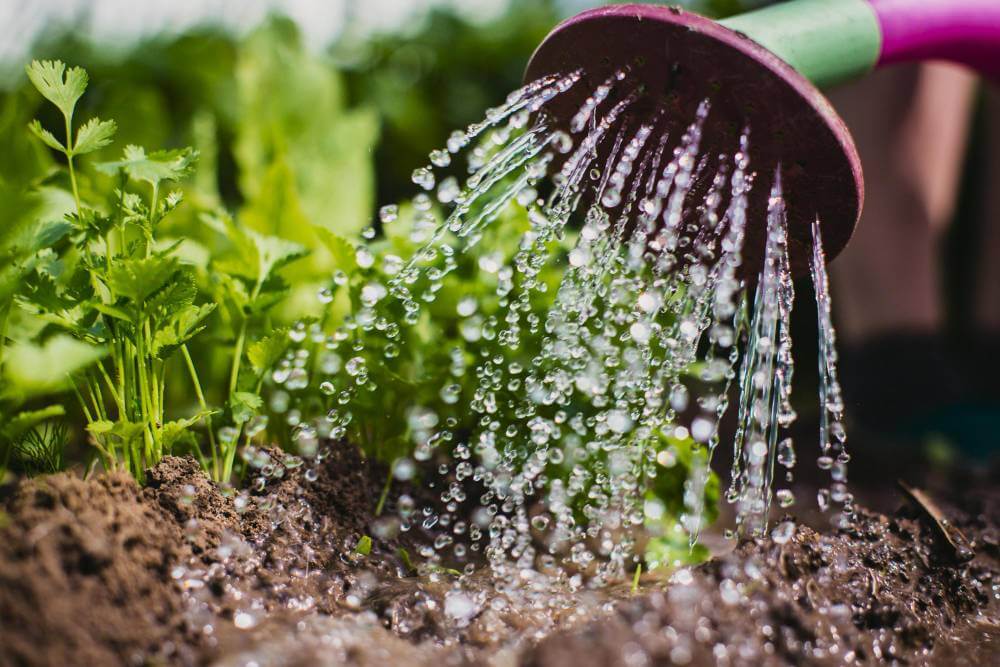
When it comes to watering your thyme, moderation is key. Thyme prefers slightly dry conditions, so avoid overwatering to prevent root rot and other moisture-related issues. Allow the top inch of soil to dry out between waterings, then water thoroughly, ensuring excess water drains away. During hot weather or periods of drought, increase watering frequency, but always err on the side of underwatering to keep your thyme happy and healthy.
Companion Planting with Thyme: Cultivate a Harmonious Garden Ecosystem
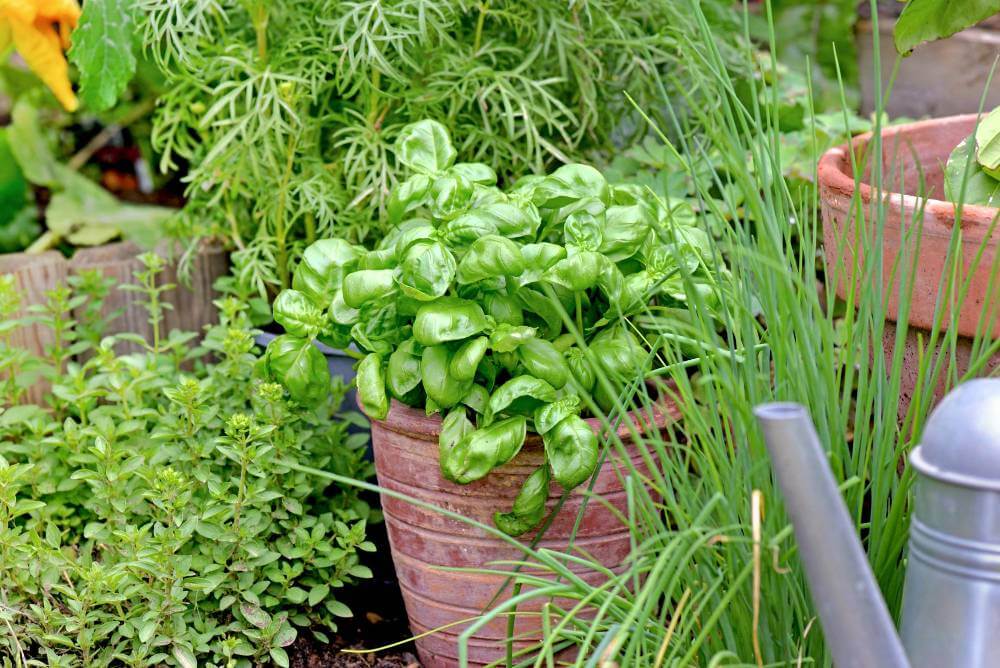
Enhance the health and vitality of your garden by practicing companion planting with thyme. Pair your thyme with compatible herbs like sage and oregano, aromatic flowers like lavender and marigold, and pest-repellent vegetables like tomatoes and peppers. These plant partnerships not only help deter pests and attract beneficial insects but also enhance the flavor and fragrance of your garden bounty. Experiment with different combinations to create a harmonious garden ecosystem that thrives on mutual support and cooperation.
Planting Foes: Beware of Thyme’s Unfriendly Neighbors
Not all plants play nice with thyme! Avoid planting companions like cabbage, broccoli, and Brussels sprouts, which can inhibit thyme’s growth and flavor. Keep your garden harmonious by researching compatible plant pairings and steering clear of potential planting foes that could spell trouble for your prized herbs.
Attraction for Pollinators: Invite Nature’s Helpers to Your Thyme Patch
Transform your garden into a haven for pollinators by planting thyme alongside nectar-rich flowers like bee balm, coneflower, and salvia. These pollinator-friendly plants attract bees, butterflies, and other beneficial insects, ensuring bountiful blooms and a thriving garden ecosystem. Watch as these industrious pollinators flit and flutter among your thyme plants, ensuring the fertilization of your garden’s fruits, vegetables, and herbs.
Pruning Instructions: Shape Your Thyme for Optimal Growth
Keep your thyme plants in tip-top shape with regular pruning. Use sharp, clean pruners to remove dead or woody stems and trim back leggy growth to encourage bushy growth and improve airflow. Prune your thyme after flowering or in early spring to promote vigorous growth and maintain its shape and size. With proper pruning, you can enjoy a bounty of flavorful thyme leaves for all your culinary creations.
Pest Treatment: Keep Unwanted Visitors at Bay
Uh-oh, pests crashing your thyme party? Don’t fret – there are natural solutions to keep them at bay. From aphids to spider mites, combat common garden pests with eco-friendly remedies like neem oil, insecticidal soap, or homemade garlic spray. Introduce beneficial insects like ladybugs and lacewings to your garden to keep pest populations in check and watch as your thyme thrives pest-free!
Mastering Thyme: A Flavorful Journey from Garden to Table
Embark on a flavorful journey with thyme as your trusty companion! From choosing the perfect growing environment to pruning for optimal growth, this comprehensive guide has equipped you with the insider secrets to thriving thyme cultivation. Whether you’re a seasoned gardener or a green-thumb newbie, harness the power of thyme to elevate your culinary creations and cultivate a garden brimming with flavor and fragrance.
Ready to take your gardening game to the next level? Stay tuned for more insider tips, tricks, and adventures in herb cultivation on my blog!